Discounted Microfilm Scanning, Microfiche Scanning, Aperture Card Scanning, and Imaging Services

Tag: microfilm scanning

Archival Services For Creating Microfilm

Archival services for documents or image files can generate microfilm that you can store for a very long time. This process allows you to save a true copy of the original information. We can assist you if you are planning on using archival services and you need to find out what it costs or what archival services options are available for you.
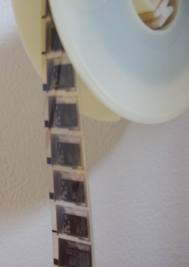
Create Microfilm With Archival Services

Large format archival services is used to transfer zoning maps, engineering maps and other types of documents that are oversize. E size drawings are reduced about 12 times and required 35mm microfilm. We can microfilm your large format and without scanning them, but if you need digital images also, we are experts at microfilm scanning as well. Archival services of smaller documents is very common for transferring pdf files to 16 mm microfilm.

We do not recommend you try to start your own archival services for your in-house needs. Archival services requires the use of chemicals for film developing. Unless you already have zoning permits and licensing from your local government, getting all this set up can be challenging. If you need archival services for a specific project or you have on-going needs, try contacting a qualified company that offers archival services. You may need to specify certain microfilm requirements and reduction issues. You may also want to have the microfilm duplicated. A duplicate roll from the original is very inexpensive to make and a good archival services company should offer this option as well.

Continue Reading

Generation Imaging’s Microfilm Scanning Services

Generation Imaging is a Florida company owned by Damian Hospital and Dan Gandul that provides 16mm and 35mm microfilm scanning services. They met each other at Lorien Technologies and have been working together since 1998. Prior to Lorien Technologies, Dan worked at First American Real Estate, and in their microfilm scanning services division for 22 years.

Experiencing life is fun, but so is learning from experiences. Damian and Dan have committed themselves to making sure microfilm scanning services provided by G.I. Partners, LLC are efficiently provided to clients with no excuses.

G.I.’s microfilm scanning services include:

-Free quotes and sample testing.

-Creating an Inventory of roll film to compare to your list or database or to build one from scratch.

-Examining the film to make sure it can be scanned or damaged or repaired.

-Digitizing film at 200DPI to 400DPI (and in rare cases higher) as bi-tonal or greyscale images. File formats can be PDF, TIFF, JPEG, PNG, BMP, ad various bi-tonal and greyscale image compressions.

-Images can be split, autocropped, manual cropped, grouped by blips, and named whatever you wish.

-All images are audited/check/modified using ribbon software, which guarantees that every image is detected and captured.

-Roll film projects can be outputed to CD, DVD, external drives, USB stick, FTP’ed, or fileshared.

-While your project is in progress and is it completes, you will be informed about it with updates. We will meet our deadline.

generation imaging

What is NOT included in our microfilm scanning services: bait and switch pricing, bad quality work, missed deadlines without notice, lack of communication, or sending your project overseas or to other companies.

Continue Reading

Scanning Company With Low Microfilm Scanning Cost

How important is it really to scan your microfilm records? And How is this process ever going to pay for the microfilm conversion cost? These and many other question are asked by organizations all the time. Generation Imaging is a scanning company that has been scanning microfilm for years. The experts that make up the core of this scanning company have combined 30 years plus of experience helping organizations bring their microfilm scanning need to a successful completions.

More that just a scanning company, we see ourselves as advisers. When you contact our scanning company, you will meet a team ready to help you understand all you need to know about your microfilm scanning project. The importance of your scanning project is determined by your needs. Your consideration to data conservation, efficient data utilization and customer services are just some issues our scanning company looks at to determine the importance of your microfilm conversion needs. Scanning companies may not always get involved with this, but at Generation Imaging, our scanning company goes this extra step and it has proven very beneficial to our customers.

Typically, the savings associated with a  scanning project is subject to real utilization, and the value is shared with other benefits. The experts at our scanning company can look closely at some  of this factors and estimated the break even point. In Many cases your project begins to pay back soon after completion because our scanning company is very competitive with price. Our scanning company will offer you some of the lowest microfilm scanning cost ever.

Continue Reading

Old Newspapers Move To Digitize Negatives

Another pres house turns to digitize negatives in an effort to convert old newspaper from microfilm to digital. Old newspapers that were microfilmed years ago, are practically useless now days. It is very time consuming and difficult to use now days. When you digitize negatives, you turn microfilm into a picture file that can can be stored digitally. There are many additional advantages to digitize negatives and as technology moves forward, the gains are even better.

Many other organizations will also digitize negatives from microfilm in the near future. The cost to digitize negatives is very low and there are way too many benefits not to do it. Another example is school records on microfilm. To digitize negatives from microfilm containing students records for example, requires a similar process. In most cases, the student names are identified so that when we digitize the negatives into digital files, the file is named the same. This makes it very easy to locate records from any student, right from a computer.

Preserving old information for future generations is a high priority for many. Some government funding available for this purpose is helping to digitize negatives from microfilm. We realize the value of old information and when we digitize negatives of old formats, we help preserve history. With the help of advanced microfilm scanning tools, we can digitize negatives from microfilm very efficiently now days.

Continue Reading

Digitize Negatives Could Help The National Archives

The National Archives hold information military service, family information, a personal history questionnaire, affidavits of comrades-in-arms, relatives, neighbors and medical, just to name some. Many of these files are in some form of negative microfilm. To digitize negatives and create digital files from this information will require a microfilm scanning conversion. Why would you want to digitize negatives? Well, by doing so, you can create an digital system that could hols all the information on computers. Organizations like these would like to digitize negatives but have not done so, in many cases, for monetary reasons.

Digitize Negatives Would Turn Microfilm Into Digital Files


Historians also like to digitize negatives because they spend a great deal of time researching records in libraries and going through books. When we digitize negatives, we create a file that is much more accessible than a hardcopy book. We Like helping historians and other people that like to look for old records, like people looking for ancestor’s information. After we digitize negatives from microfiche cards of microfilm rolls, their work becomes much easier and they appreciate it so much that they let you know about it.

After we digitize negatives, the digital files that are created can be viewed on one computer or multiple computers at the same time, depending on the network setup. Another benefit to digitize negatives is that digital images can be e-mail and shared through the internet just like any other digital picture. This really helps people that are interested in working on the same project but are not in the same location. If you an interest to digitize negatives for your own work, microfilm scanning can really help you.

Continue Reading