
June 2, 2026
Generation Imaging Transforms Microfilm to Digital Gold in Florida
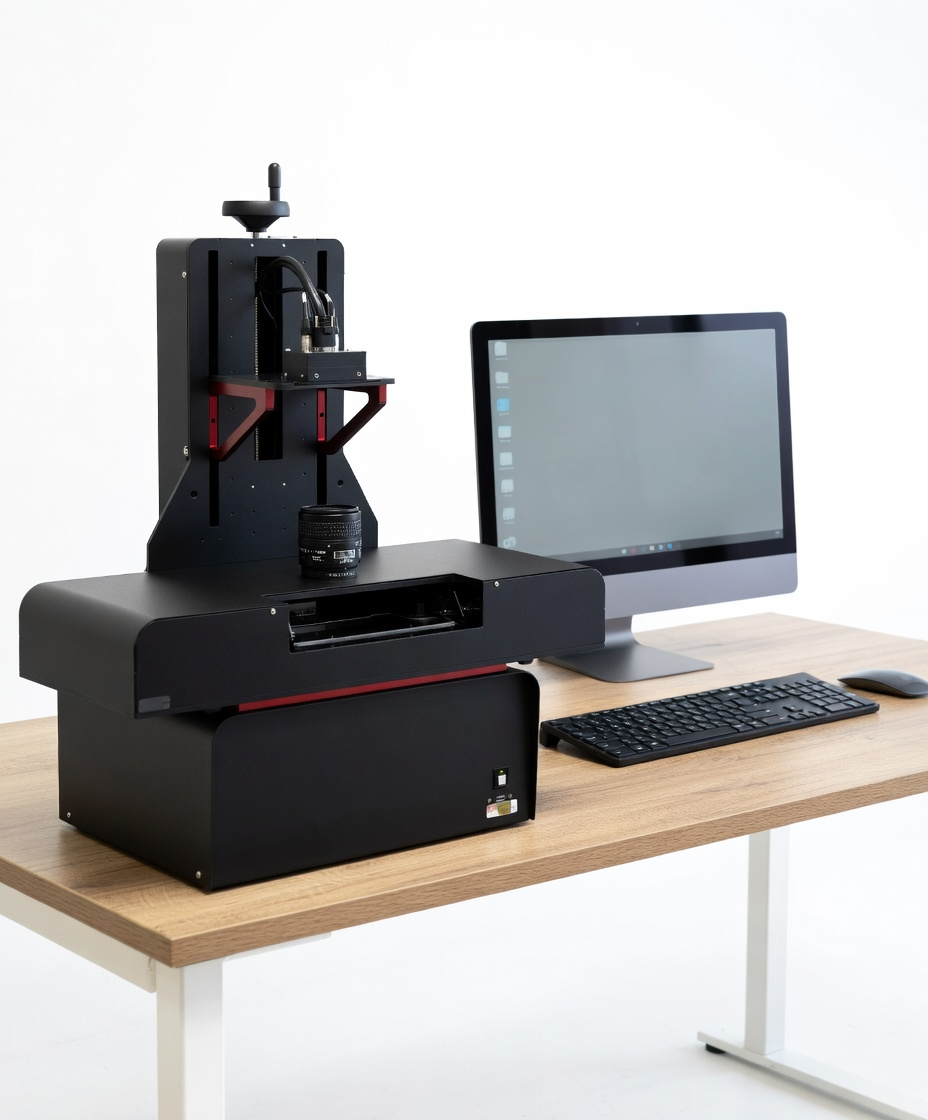
Unlock Your Hidden Archives
In today’s digital-first business landscape, organizations across Florida are sitting on a hidden treasure trove of historical data, locked away in aging microfilm and microfiche formats. These delicate film archives contain invaluable government and business records, legal documents, historical newspapers, and critical operational data but accessing this information has become increasingly difficult as specialized readers become scarcer and film degrades with time.
Enter Generation Imaging, South Florida’s premier microfilm and microfiche conversion specialists who are helping businesses, government agencies, and institutions unlock their dormant archives and transform them into searchable, accessible digital assets.
Microfilm and microfiche were once revolutionary technologies for preserving vast amounts of information in compact formats. You may see them being used on TV shows from or showing the old era. Libraries, law firms, government agencies, and corporations invested heavily in these systems throughout the 20th century. Today, however, these same organizations face a critical challenge: how to preserve this data while making it accessible in our digital world.
“Many of our clients don’t realize the risk they’re taking by leaving documents on aging microfilm,” explains Damian Hospital, Co-Founder. “Film degrades over time, specialized readers are becoming obsolete, and the labor required to locate specific information is prohibitive. If your film already smells like vinegar, is “sweating”, or brittle it may be too late! Digital conversion solves all these problems while opening up new possibilities for data utilization.”
January 27, 2025
Whistleblower Jake Barber Reveals Alleged U.S. Government Secrets on Non-Human Intelligence Craft Retrieval

In a bold move, Jake Barber, a former U.S. government and intelligence community insider with 30 years of experience, has come forward to share his knowledge about alleged illegal activities within a secretive program focused on retrieving non-human craft. During a recent interview with NewsNation’s Ross Coulthart, Barber discussed the enormous implications of non-human intelligence and accused the government of a long history of deception on the matter. He urged Congress to take his claims seriously, having already testified under oath, fulfilling a promise to a colleague. While maintaining certain privacy safeguards, Barber remains committed to informing the public despite potential backlash.
Barber also shared insights into his military career, highlighting his enlistment in a specialized Air Force Special Operations program. His dual role as a top-tier Special Operations soldier and an unofficial aerospace mechanic showcased the complexity of his contributions. With extensive training in survival, weaponry, and life-saving medical skills, Barber operated under stringent secrecy, often unable to share sensitive information.
He detailed high-level missions he participated in, including security operations for high-value targets and support efforts in Bosnia. Barber also explained his involvement with the “OPFOR,” a covert unit designed to pressure-test U.S. military defenses. Despite his valuable contributions, including a recommendation for a heroism medal that was suppressed to maintain his low profile, Barber emphasized his patriotism and the necessity of such roles in ensuring national security. Notably, he clarified that his awareness of non-human intelligence only developed post-9/11, signaling a turning point in his perspective.
Barber emphasized his commitment to transparency and the U.S. Constitution, challenging Pentagon assertions that deny extraterrestrial engagement. He expressed frustration over Congress’s lack of full awareness and called for accountability. His testimony to Congress and interviews mark a pivotal moment in his mission to inform the public about alien life and the government’s covert activities.
Reflecting on his covert operations background, Barber described the personal challenges of reconciling his experiences, including faking commercial pilot training to establish a legitimate cover. He confirmed his financial independence and denied any disinformation agenda, assuring skeptics that upcoming initiatives—backed by venture capitalists and government cooperation—aim to shed light on UAP phenomena and retrieve alien technology.
Barber also recounted working within the military-industrial complex during the 1990s, often unknowingly exposed to cutting-edge technologies. He revealed encounters with intriguing aerial objects at government testing ranges, which raised questions about their origins. While many were human-made, Barber detailed a rare experience with a 20-foot egg-shaped object that defied conventional explanations. Observed from 150 feet away, the seamless, pearly white craft left Barber and his team convinced of its non-human origin, prompting a shift in recovery protocols and underscoring the seriousness of their discoveries.
Barber’s revelations aim to break the secrecy surrounding UAPs, advocating for transparency, rigorous investigation, and a cautious approach to distinguishing between advanced human technologies and potential non-human phenomena.
Barber highlighted the compartmentalized nature of top-secret operations, including the obfuscation tactics employed by the government to maintain plausible deniability. Holding NATO clearance, Barber expressed concerns that even senior Pentagon officials may not fully grasp the extent of UAP-related activities.
Barber recounted encountering exotic crafts during missions, such as an “egg-shaped” object and an octagonal “8 gon” craft, neither of which displayed visible propulsion systems or thermal signatures. He described the secrecy surrounding these incidents, noting that his colleagues were often kept in the dark about such encounters. Barber reflected on the advanced nature of these objects, suggesting they were of non-human origin and likely connected to cultural perceptions of UFOs.
One particularly emotional episode involved a recovery mission where Barber experienced a profound emotional response while flying a helicopter at night. He described an overwhelming mixture of sadness and joy that left him in tears and hinted at a deeper, almost spiritual connection to the objects he was recovering. Barber later described feeling a “feminine energy” or presence during another encounter, which he likened to a loving and guiding force. These experiences, he believes, transformed him, making him more sensitive and aware, and led him to consider the possibility of telepathic interactions tied to UAP phenomena.
Barber also reflected on his personal journey, sharing the challenges of his tumultuous childhood and the pivotal role his grandparents played in shaping his path. His Navy grandfather, in particular, provided opportunities that introduced Barber to advanced educational programs, art, music, and physical activities like water polo. Despite a troubled adolescence that led to expulsion from high school, intervention from his grandparents directed him toward military programs. These formative experiences, coupled with psychic ability tests he underwent during early military assessments, have left Barber questioning whether his background was linked to developmental programs connected to UAP research.
Barber delves into the unique traits of elite Special Operations soldiers, describing their paradoxical qualities as “peaceful warriors” and “sensitive savages.” He connects these traits to their ability to thrive in high-stress situations and reflects on his personal connection to non-human objects, which he claims communicated with him telepathically during missions. This experience, he believes, challenges conventional understandings of intelligence and consciousness. Barber hints at a broader program investigating the potential link between human awareness and non-human technologies.
Barber introduces the concept of psionics—individuals with extrasensory abilities recruited to interact with UAP. He describes how these psionics, often sourced from indigenous cultures where psychic abilities are less stigmatized, have demonstrated the ability to summon or communicate with UAP. In one instance, Barber witnessed a psionics team inviting a craft to land, suggesting that human consciousness and machine-based systems can work in tandem to engage with these advanced objects. He further claims that non-human intelligences often appear cooperative and benevolent, although secrecy remains paramount in these operations.
The discussion also covers Barber’s involvement in covert recovery missions, where the stakes included retrieving sensitive laptops containing classified video and sensor data. He recounts one operation where missing hard drives were found submerged underwater, underscoring the extreme measures taken to protect program secrecy. A sudden change in their deployment intelligence raised suspicions of a setup, highlighting the risks faced by those involved in these programs.
Barber reflects on the extensive secrecy surrounding UAP operations, emphasizing the plausible deniability maintained over decades. He suggests that while these intelligences are non-human, it remains unclear whether they are extraterrestrial or originate from another realm. According to Barber, some recovered biological materials lack consciousness, while the crafts themselves seem to operate through a unique form of awareness connected to channeling positive energy. Despite the secrecy, Barber describes these non-human intelligences as generally benevolent, noting that he has not personally encountered malevolent entities.
Barber touches on the global nature of UAP interest, explaining that other countries and non-governmental organizations are also pursuing these phenomena. He emphasizes the distinction between secrecy to protect competitive advantages and privacy to safeguard dignity. Barber’s reflections on his career and the sacrifices made by those involved in these programs highlight the human cost of maintaining the veil over UAP-related activities.
Barber recounts discovering potential rogue elements within a private aerospace company he worked for, raising concerns about unaccountable activities occurring at lower organizational levels. His discussions with senior management revealed a troubling lack of oversight, with top executives professing ignorance. Even the director of security appeared apprehensive and eager to distance himself from these issues, underscoring how organizational structures could obscure accountability.
This realization marked a turning point in Barber’s efforts to seek external support. After disbanding his team and starting afresh, he hesitated to approach the Inspector General due to mistrust. His outreach to the Senate Intelligence Committee was equally disheartening, as he found Congress ill-informed and lacking the power to address UAP-related concerns. Instead of offering support, they sought his assistance in dealing with their own challenges. Barber highlights the 1980 Bentwaters incident as a key case demonstrating non-human intelligence, pointing to credible witnesses and direct encounters with crafts as compelling evidence.
Barber speculates on the reasons behind a UAP crash, suggesting a psionically operated craft might have experienced “link loss,” akin to a drone losing connection with its operator. He draws parallels to past incidents involving radiation exposure, such as the health issues suffered by John Burroughs. Barber shares his own harrowing experiences in Africa, where he and his team exhibited symptoms of radiation poisoning, leading to autoimmune disorders and severe physical ailments like alopecia and skin loss. Despite these injuries, recognition and treatment from Veterans Affairs have been limited, leaving Barber and others in his program grappling with long-term health concerns, including potential cancer risks.
Barber praises Dr. Gary Nolan, an immunologist assisting with his treatment, and discusses transporting enigmatic materials dubbed “mystery boxes,” which he suspects may have a non-human origin. He also acknowledges the widespread health issues faced by his colleagues in the program, highlighting the broader issue of military personnel suffering from exposure to unknown substances without adequate support systems.
Barber reflects on working with Dr. Steven Greer, a prominent figure in UFO disclosure, and attending a conference where Marine Michael Herrera recounted a chilling encounter with a massive hovering craft during a relief mission in Indonesia. Herrera described being threatened by paramilitary forces who confiscated their weapons and ordered them to walk away. This story, Barber notes, exemplifies the risks and dangers faced by individuals attempting to expose the truth about UAP encounters.
Barber revisits Michael Herrera’s account of encountering a massive craft during a relief mission, delving into the craft’s design and its associated transportation containers. He clarifies that initial speculations of human trafficking linked to Herrera’s story were misinterpretations, as the original focus was on potential drug or arms smuggling. Barber underscores the importance of distinguishing between the actions of rogue individuals and the professionalism of the broader military-industrial complex.
The conversation shifts to the recruitment of psionic individuals, particularly from third-world countries and Native American communities. Barber explains that these individuals often engage with UAP phenomena out of pride and spiritual connection, countering narratives of exploitation. He highlights the demographics believed to have heightened psionic abilities, including children, women, Native Americans, Indonesians, and gay men, speculating on their predisposition to these roles. He also mentions reverse-engineered aircraft, advanced energy technologies, and anti-gravity vehicles, hinting at hidden programs working on these breakthroughs.
Barber expresses optimism about his current work with Skywatcher, a public-private initiative aimed at bringing clandestine operations into the open. He reflects on a historic gathering of scientists and individuals with extraordinary abilities, describing it as a collaborative effort to explore non-human intelligence and foster transparency.
He shares the creative strategy behind submitting a manuscript blending classified information with fictional elements to navigate national security protocols. The review process resulted in significant redactions, revealing the presence of classified programs. Barber describes how this strategic approach exposed the delicate balance agencies maintain between redacting sensitive information and managing public narratives.
Barber advocates for a balanced approach to disclosure, emphasizing the public’s right to know about extraterrestrial existence while protecting sensitive national security details. He stresses the need for trustworthy leadership to guide the process and envisions an open-source approach to technological advancement. His optimism extends to global independent discoveries in suppressed technologies like anti-gravity and zero-point energy, which he believes could lead to positive revelations.
Barber recounts his testimony before Congress, where he found a receptive audience and reaffirmed his willingness to testify under oath. He reflects on the emotional weight of these discussions, noting the genuine sincerity and connection among participants.
Discussing UAP interactions with military bases, Barber interprets these events as encouragement for public awareness. He predicts significant disclosures within the next year while acknowledging the presence of malicious actors attempting to suppress this information. Despite these challenges, Barber remains confident that transparency will prevail.
Finally, Barber highlights the internal struggles within organizations involved in UFO research. He believes his revelations will inspire others to come forward, breaking stigmas and expanding the discourse. With his children already engaged in this work, Barber envisions a generational shift in exploring and understanding these phenomena, signaling a hopeful future for transparency and accountability.
January 26, 2025
The Timeless Value of Microfilm Scanning in the Digital Age
In a world where technology evolves faster than ever, there’s a growing need to preserve the past in ways that ensure it remains accessible for future generations. Enter microfilm scanning—a process that bridges the gap between the analog treasures of yesteryear and the digital convenience of today. While microfilm might seem like a relic of a bygone era, its contents hold the keys to invaluable historical, legal, and cultural information that can be lost if not preserved digitally.
Why Microfilm Matters
For decades, microfilm has served as the gold standard for archiving newspapers, legal documents, genealogical records, and rare books. Its compact, durable format was revolutionary for libraries, universities, and government institutions seeking long-term storage solutions. But with age, even the most resilient microfilm can deteriorate. Environmental factors, improper handling, and the sheer passing of time can cause irreversible damage.
Meanwhile, modern users demand instant access to information. Researchers, students, and professionals alike are no longer willing to sift through reels of film to find what they need. They expect searchable, shareable, and easy-to-access content at their fingertips. This is where microfilm scanning steps in to save the day, transforming static analog archives into dynamic digital resources.
The Benefits of Scanning Microfilm
Microfilm scanning is more than just a preservation method—it’s a way to unlock the full potential of archived materials. Here’s how:
- Preservation of Fragile Records: Every scan acts as a safeguard against the inevitable decay of the original material. Once digitized, records are no longer at risk from physical damage.
- Enhanced Accessibility: Digital files can be searched, indexed, and shared globally in seconds, making information far more accessible to wider audiences.
- Space Savings: Hundreds of reels of microfilm can be condensed into a single hard drive or cloud storage system, freeing up valuable physical space in archives and libraries.
- Disaster Recovery: Digital backups provide an insurance policy against fires, floods, and other disasters that could obliterate physical collections.
A Future-Proof Solution
As technology continues to progress, microfilm scanning also offers an innovative way to merge past and future. By using advanced Optical Character Recognition (OCR) software, digitized documents can become fully searchable, making it easier than ever to extract key information. AI-powered indexing tools can further classify and organize content, turning once-static archives into living, breathing databases.
Additionally, the move to digital aligns with sustainability goals by reducing the need for physical storage and energy-intensive environmental controls for preservation. Organizations that embrace microfilm scanning not only future-proof their collections but also make a commitment to eco-friendly practices.
Why Now?
The need for microfilm scanning has never been more urgent. As the demand for digital transformation accelerates across industries, those who act now can stay ahead of the curve. For libraries, museums, legal institutions, and private collectors, microfilm scanning is no longer optional—it’s a necessity.
By converting microfilm archives into digital assets, we’re not just preserving history; we’re empowering the future. With every scan, we build a bridge between the analog past and the digital future, ensuring that the stories, knowledge, and lessons of yesterday remain alive and accessible for generations to come.
June 28, 2024
Scanning the Future: Trends and Innovations in the Microfilm Digitization Industry

The Current Microfilm Scanning Industry: Bridging the Past and Future
The microfilm scanning industry has emerged as a pivotal player in the archival and information management sector, providing essential services that bridge the past and future of document preservation. Microfilm, a medium developed in the early 20th century, offered a revolutionary way to store vast amounts of data in a compact format. Today, as digital transformation sweeps across industries, microfilm scanning has become indispensable for organizations aiming to digitize historical records and ensure their longevity and accessibility.
Evolution and Importance of Microfilm
Microfilm was initially adopted for its ability to condense large volumes of documents onto film rolls, significantly reducing storage space requirements. Libraries, government agencies, and businesses utilized microfilm to archive newspapers, legal documents, and other critical records. However, the advent of digital technologies has rendered traditional microfilm less practical due to the challenges associated with accessing and sharing information stored in analog formats.
Microfilm Scanning Technology
Modern microfilm scanning technology leverages high-resolution scanners to convert microfilm images into digital formats. These advanced scanners can handle various types of microfilm, including 16mm and 35mm rolls, microfiche, and aperture cards. The process involves carefully feeding the microfilm through the scanner, capturing each frame, and converting it into a digital image. Optical character recognition (OCR) software can then be applied to make the digitized text searchable, greatly enhancing accessibility and usability.
Industry Applications and Benefits
The applications of microfilm scanning are vast and diverse. Libraries and archives use it to preserve historical newspapers, manuscripts, and rare books. Government agencies rely on it to digitize land records, legal documents, and vital statistics, ensuring long-term preservation and compliance with regulatory requirements. Businesses, especially those in finance and insurance, use microfilm scanning to convert client records and transactional documents into digital formats, streamlining operations and improving data retrieval.
The benefits of microfilm scanning are manifold. Digitization enhances the preservation of fragile documents by reducing the need for physical handling. It also improves accessibility, allowing users to search and retrieve information quickly and efficiently. Digital storage solutions offer scalability and cost-effectiveness, eliminating the need for expansive physical storage facilities. Moreover, digital archives can be easily backed up, ensuring data integrity and disaster recovery.
Challenges and Innovations
Despite its advantages, the microfilm scanning industry faces challenges, including the high cost of advanced scanning equipment and the labor-intensive nature of the process. Skilled technicians are required to handle delicate microfilm and ensure accurate scanning. Additionally, the quality of the original microfilm can affect the digitization outcome, necessitating careful handling and sometimes restoration.
Innovations in the field are addressing these challenges. Automated scanning systems and improved OCR technology are enhancing efficiency and accuracy. Cloud-based solutions are providing scalable storage and collaborative access to digital archives. Artificial intelligence (AI) is being integrated to improve image quality and metadata tagging, making digitized records more searchable and valuable.
The Future of Microfilm Scanning
The future of the microfilm scanning industry looks promising, with continued advancements in technology poised to further streamline the digitization process. As more organizations recognize the value of preserving historical records in digital formats, the demand for microfilm scanning services is expected to grow. This trend will likely drive further innovations, making the process more cost-effective and accessible to a broader range of institutions.
The microfilm scanning industry plays a crucial role in the preservation and accessibility of historical documents. By bridging the gap between analog and digital worlds, it ensures that valuable records from the past remain available and usable for future generations. As technology continues to evolve, the industry will undoubtedly adapt and thrive, cementing its place as an essential component of modern information management.

January 6, 2023
The Benefits of Converting Microfilm to Digital Images

Converting microfilm to digital images has a number of benefits that make it an appealing option for businesses and organizations looking to modernize their record-keeping systems.
Here are just a few of the key benefits of this process:
- Improved accessibility: Digital images can be accessed much more easily than microfilm, which requires specialized equipment to view. By converting microfilm to digital, users can simply log into a computer to access the images, making it much more convenient for them to retrieve the information they need.
- Enhanced security: Digital images can be backed up in multiple locations, providing a higher level of security than microfilm, which is vulnerable to physical damage, erosion, and theft.
- Better organization: Digital images can be easily organized and named, making it easier to locate specific documents or images within a larger collection. This can be especially useful for businesses with large volumes of records that need to be managed.
- Increased efficiency: Digital images can be shared and accessed by multiple users at the same time, eliminating the need for multiple copies of microfilm and reducing the time and effort required to retrieve and share information.
- Cost savings: While there is an initial investment to convert microfilm to digital, the long-term cost savings may be substantial. Digital images do not require the maintenance and repair of specialized microfilm equipment, and there are no ongoing costs for film and chemical processing.
- Improved image quality: Digital images are generally of higher quality than microfilm, as they are not subject to the same level of deterioration and fading over time. This can be especially important for businesses that rely on the accuracy and clarity of their records.
Converting microfilm to digital images offers a range of benefits that can make it a worthwhile investment for businesses and organizations looking to improve the efficiency and security of their record-keeping systems. The enhanced accessibility, security, organization, and image quality provided by digital images, along with the potential cost savings, make this an appealing option for those looking to modernize and streamline their operations.